I have news. And it’s all good. My I Quit Sugar ebook has been rebooted, rejiggled and fandangled into formats that are gloriously designed for all e-readers.
gobble it up!
Perhaps you’ve put off buying the my ebook I Quit Sugar because you have an eReader and only like buying eReader-ready books?
Well…
if you’ve got an IPad, Kindle, Nook, Sony Reader…
I’ve formatted my ebook I Quit Sugar. Afresh. For you.
What’s this mean?
* I Quit Sugar is still just $15 BUT now you get all formats
Including the original PDF version. They’ll all arrive in your download for the same price.
* If you’ve already bought the PDF version…
I’m giving you the other formats now…FOR FREE. Look out for an email in your inbox explaining how to go about this.
* The new version is a little updated + different
Just a few updates and an extra recipe or two. And minus a few pictures and pretty fonts. This is simply because this is how e-reader formats work. You simply can’t get the same design elements to translate. Just so you know (see below for more help on this, if you’re thinking of designing your own ebook).
It’s hit me just recently: this is the rest of my life. This awareness has arisen because I’ve had to face a few realities lately.
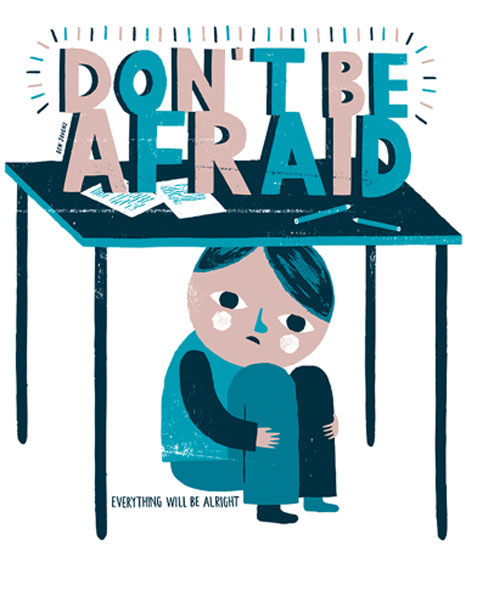
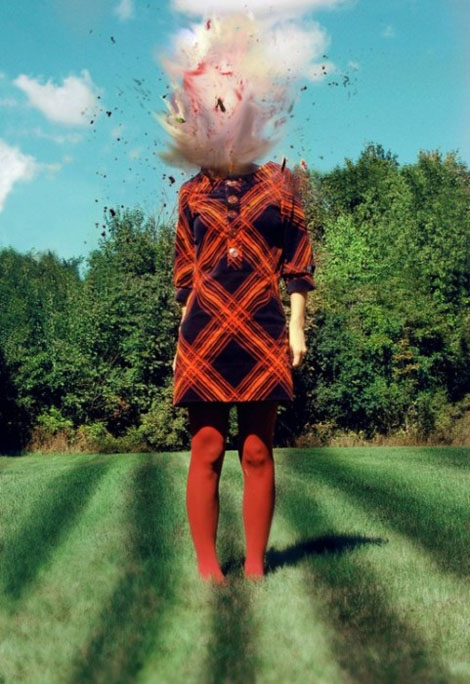
Image by Ben Javens
I’ve led my life thinking it would look a certain way: high school, uni, work, husband, house (that I’d build with a view into bushland), things to own, kids with interesting names, package holidays to Bali (OK, now I’m just being dumb…you get the point). I just assumed, and over the years the milestones guided me, they were my motivation, as they are for many of us.
When I got to one milestone, I used it to prepare for the next. Everything was a run-up to the next thing. I didn’t have to think too much about whether it’s what I wanted. Many of us don’t. It’s so easy not to. The path is nicely worn. Of course you get married by thirty. Of course you’ll factor in kids at some point.
Life can trip along fairly easy like this, while ever you’re nailing the milestones. You can live a whole life this way, blindly ticking them off, never thinking about where it all leads. Until, perhaps, you miss a few milestones.
But I’ve been having accept of late that some (many) of these milestones won’t (can’t) be ticked off by me. It’s not all due to unforeseen circumstances. If I’m honest, I’ve chosen this path I’m on. Over and over. Without realising. Slowly I’ve been steering myself off to the left.
Either way, it begs…when the milestones are gone, what are you left with?
Illness or a setback or a wakeup call or crazy sets of life circumstances land people at this point. Life is stripped back. You’re unceremoniously pushed from the conveyor-belt.
And then what?
I’ll tell you what: you’re left with a
frighteningly boundless freedom to choose what the rest of your life will look like.
No milestones, no rules, no norms, no sitcoms to use as barometers of what’s “normal”. Just your self.
Mother friggen scary. And lonely. But mother friggen fresh, too.
It seems kind of early to be doing an Easter post. But, hey, Woolworths got in months ago. Aaaannndddd, a stack of you have been asking for ideas and recipes and… So. Here you go.
image via bhg.com
First, some chocolate thinkings… and some good news
Since I’ve been asked this a lot, I’ll share where I’m at with chocolate. I love the stuff. Like, really love the stuff. It makes me teary with appreciation and gratitude and astonishment that something can just (not just taste but) feel so viscerally good.
But I do chocolate differently now.
* I eat raw cacao a lot more…see below for some ideas. Or my I Quit Sugar book for recipe suggestions. Raw cacao is the unheated, less processed version of cocoa (the stuff that most chocolate is made from). When people talk about chocolate being a high source of antioxidants and magnesium…they’re talking about the raw stuff; heating diminishes a lot of the properties. Makes sense. I use Loving Earth’s raw organic cacao…you can buy it here.
* I eat a few squares of the commercial 85 per cent cocoa stuff. Or, sometimes, the 70 per cent stuff. In a small serve (three big squares or so), that’s about 1.5 (or three) teaspoons of sugar. I weigh it up. I would rather eat great fats and proteins and veggies all day, plus some chocolate, than negotiate over a fruit salad or some tomato sauce on a burger. I choose, at times, to get my sugar through a small amount of sugar.
But I observe myself. I can tend to blow out and want to scoff the whole block. I have to be mindful. But this in itself is a good thing. As I bang on and on and on about.
After being off sugar some time, this is possible. Some no-sugar peeps don’t advise this.
* In the IQS ebook, I lament that there really ain’t any commercial chocolate bars out there using a safe sugar alternative, like glucose, rice malt syrup, xylitol or stevia. Instead the sugar free chocolates use sugar alcohols – like maltitol – and agave, both of which should be avoided. However, since then I’ve struck some luck…read on…
15 tips for easter
1. Easy egg treats: mix 5 tablespoons of coconut oil (melted) with 3 tablespoons of raw cacao powder (more or less depending on taste) and 3 tablespoons of hazlenut meal and pour into Easter egg moulds (the kind that come as a tray of indented shapes), or mini cupcake patties (the ones used for making chocolates). Place in fridge for an hour.
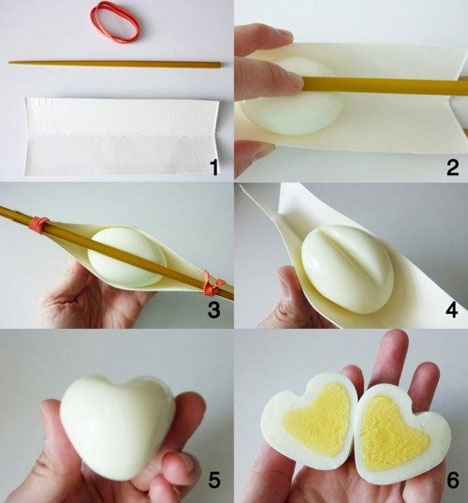
2. How about this…how to make an egg love heart. Oh my. Serve on Easter morning for “they’ll never know all the other kids are having chocolate confection” fun.
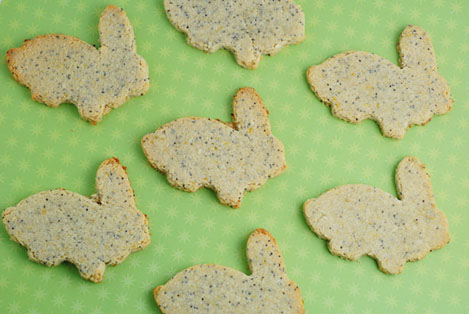
3. What about some lemon poppy seed bunny cookies?
I like this. There’s a culture of transparency kinda bubbling about. Have you noticed? People seem to be wanting to acknowledge to the world where they’re going wrong, or veering toward pretentiousness, in a spirit of “we’re all in this together, aren’t we?”.
image via wickedhalo.tumblr.com
I quite love the “Shit xxx say” videos doing the traps. Mostly because they’re not cynical or cruel. They’re acknowledging. They seek, I think, to enroll us all in the same story: “Yeah, I know I’ve got a little caught up, and I’m a little affected…”
And the net result is to connect us further with our humanity.
Which, dammit, is all I really want from this life.
I also like that some companies are getting in on the act, not hiding behind the constructed messaging anymore. It’s a mild breath of fresh air. Canadian Yoga brand Lululemon made this pisstake of the painful stuff people-who-are-just-a-little-bit-too-intimate-with-their-own-hamstrings can say. Clever. Brave. It works.
The cynical among us could say brands and businesses don’t have a choice anymore. Everything is transparent, everything Google-able and exposable, and you might as well get in first and acknowledge your faults before your narky customers dig them up.
But Trendwatching recently flagged the new movement: Flawsome….where companies expose their flaws, in a humane way, creating an overall awesomeness.
They describe this leaning toward transparency thus:
Last week I chatted to David Gillespie about some of the food myths he debunks in his new book Big Fat Lies. Today we have a quick chat about why the “lies” continue. I reckon you’ll like this one.
image via Marina Giller
It’s easy to conclude from what David exposes in his book and in the podcast that there is a conspiracy going on. I prefer – and so does David – to be more moderate and get informed as to why the bodgy science got off the ground in the first place. And how it then formed the basis of most nutritional thinking in the Western world – everything from our food pyramid to taglines in infomercials.
It’s almost comical. But understandable. The world wanted answers when rates of heart disease suddenly soared in the 1950s. A President had a heart attack. All that was available at the time was a silly study on rabbits from 30 years earlier that everyone had dismissed at the time as proving nothing of any worth.
But everyone latched on to the faulty science. The lies kind of domino-ed from there.
David is careful to say “ignorance” and commercial reality is to blame. Perhaps. But a breakfast cereal company selling us sugary flakes with clever marketing is only one part of the problem.
The bigger problem, to my mind, is that some of the peak nutritional bodies here and in other parts of the Western world, and many of the doctors, “experts” and nutritionists who we trust to tell us the truth, are often actively peddling these lies – and in the face of conflicting evidence. What’s more…
Some of the more vocal and influential nutritionists are paid by breakfast cereal companies and the like.
And many of the peak bodies are funded by major soft drink and junk food companies.
I won’t draw conclusions for you. I’m not saying such funding (which is often necessary for some of these organisations to survive) results directly in vested outcomes. But it’s good to know the full picture, right? Sadly, we’re rarely given it.
Anyway. You make up your own mind…
[display_podcast]
While you’re listening, you may like to check out these links. They highlight the various multinational sugar-based and low-fat companies that fund the major nutritional bodies in Australia and the US. As I say, make up your own mind…
Also, you might also be interested to read this article on how the sugar industry sugar industry muzzles journalists or those who speak out.
And here’s the original column from the Daily Mail on how much sugar there is in breakfast cereals. A quote from the article that I found pertinent: “It would take a very brave government to pick a fight with the corporations that have built such lucrative businesses on the back of our addiction to sugar.”
As I’ve commented before, there’s not going to be a major campaign any time soon to get us off sugar. It’s just not going to happen. We have to take the responsibility on ourselves.
Someone on twitter also sent me this one – a rundown of how PepsiCo do their spin, including this: “Hiring respected public health experts and medical doctors to represent the company, creating an illusion of having a health-oriented mission, instead of being driven by profit.” Sigh…
This was something I got asked on my I Quit Sugar forums a lot. I promised to get to the bottom of the conflicting information…Et voila!
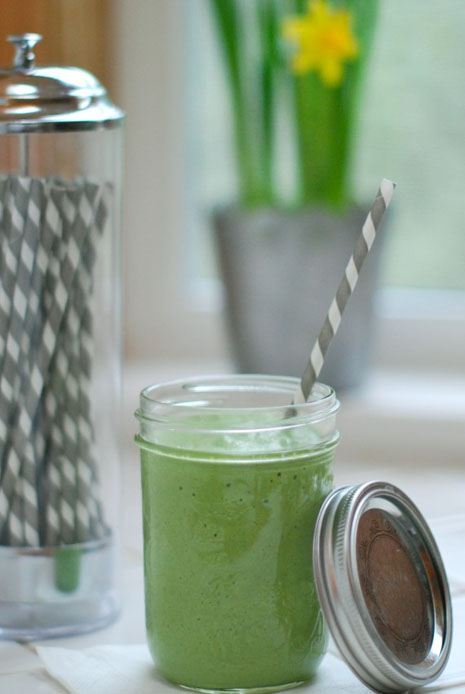
coconut water green smoothie, via The Alkaline Sisters. Recipe below
In a coconut shell.
1. yes, there is in fact sugar in coconut water
All coconuts contain sugar. The levels depend on the type of coconut, and it’s age. Something to note though, even the coconuts with the higher levels of sugar still only contain around 2.95ml of sugar per 100ml, which is not a lot. As I’ve shared in my I Quit Sugar ebook, best to stay under 4.7ml of sugar per 100ml. Of course, a bottle of coconut water – which is how most of us get our coconut water – is generally about 300ml. So. In one bottle there can be up to 9g of sugar, which is 2.5-ish teaspoons.
2. yeah, but how much of that is fructose?
Well. Not so much. And this is what counts. A Brazilian study found the sugar content of an average baby coconut to be made up of:
glucose 50%, sucrose 35%, and fructose 15%
So fructose makes up a maximum of 32 per cent of the total sugars (remember: sucrose is 50/50 fructose and glucose), and often a lot less (depending on the age of the coconut).
All of which means when you look at that total sugar value on the label, it’s a little misleading. Unlike coke or fruit juice, where we know half (or more) of the sugar content is fructose, coconut water’s sugar content is mostly glucose (which is fine, metabolically speaking).
In it I chat, amongst other things, * how to navigate Easter * suggestions for morning tea, and snack times * fertility and quitting sugar, and how they work together, and I recommend Nat Kringoudis at The Pagoda Tree. * quitting sugar and the impact on exercise Streaming Live by Ustream I’d love to hear … Read more
You may remember David Gillespie from previous discussions such as Why Sugar is Really Grim For You. He’s the author of Sweet Poison and over the past 13 months since I quit sugar we’ve been in regular dialogue.
image via Bon Appetite
Sometimes we talk about the fact that much of what we know about sugar and fat is a big fat lie. Wonderfully, David has now published a book on this very point. Today we’re chatting about his new book Big Fat Lies: How the Diet Industry is Making You Sick, Fat & Poor. If you’ve been wondering, if sugar is bad and saturated fat is actually good, then why are we not been told as such, then this is your weekend read.
But curl up now with a nice buttery piece of toast and enjoy our “fact or fiction” rundown of some common nutritional advice we all get fed…
[display_podcast]
The five myths we cover off are:
1. eating fat causes heart disease
(For a little more background on the bodgy science that tried to convince us of this myth, see my blog on Ancel Keys‘ fat study.)
This is a behaviour in myself I really wish wasn’t part of my makeup: friends call or drop in or write to ask if they can come stay and sometimes, not always, but way too often, I get…antsy. I feel they’re going to break my stride, stop me from achieving things.
Photo by Rachel de Joode
On the phone I’m too often distracted. When they drop in it takes me a good 15 minutes and some internal self-talk to be cool. And when I have someone coming to stay I have to talk myself down from a mild panic. This is partly borne from working for myself from home – my parameters are very loose and loved ones can forget that my lounge and kitchen is my office and that at 10am, when they want me to hang on the beach with them when they come visit, I’m meant to be at work.
I get irritated. I want the world to just go away in that moment.
I know not all of you work in the same manner, so you might not empathise. But maybe you do. Because you might find personal calls at work distracting. Or impromptu weekend drop-ins annoying when you’re in the middle of a project. Or when you’re stressed, visitors might tax your tolerance quotient. You issue impatient, “Yep, yep, yeps” as they talk.
If you do, you might find comfort in some ideas I came across.
Recently I read Trust the Process by Shaun McNiff, which is seriously a great book for anyone who gets writer’s block or struggles to access their creativity. He writes that
Picasso welcomed visitors to his studio because they recharged his creative energies.
It was these distractions that provided his inspiration for the day. His muses were people who popped by on that day.