The oils I use: a personal listicle

I shared last week why I use oils for the bulk of my beauty regime. As promised, here’s a bunch of products I’ve used or currently use. I mix it up. Always trying things out…

rsz_abab95439daec12f719e65b4207afe92
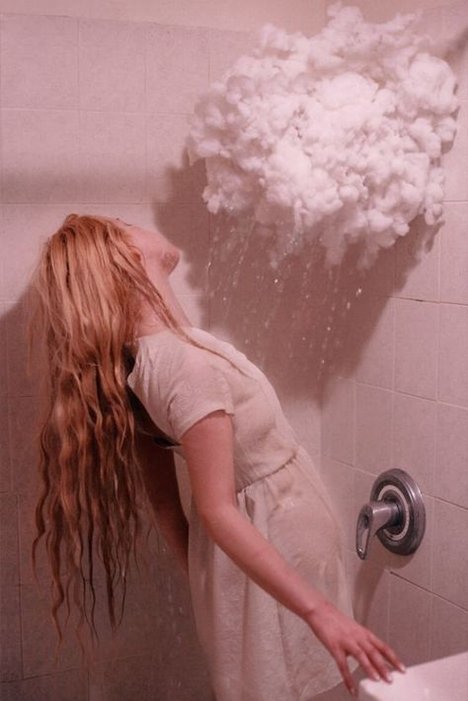
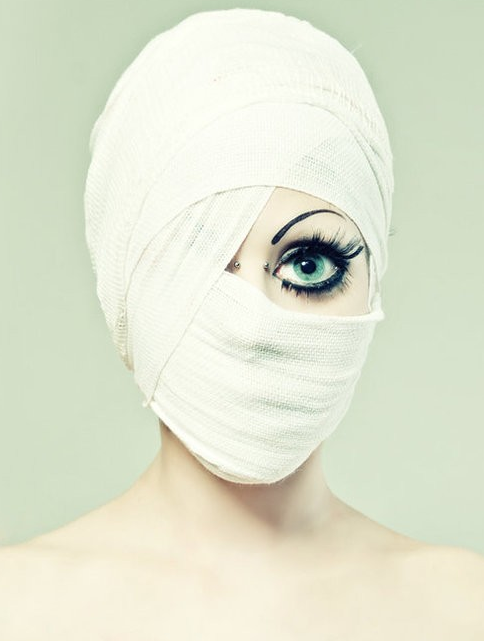
image by maia flore

Please be aware, I’ve not been paid to run this list. By anyone. The recommendations are genuine. In the past few days a few advertisers have asked to place ads on this site, however. Just so you know.

To clean my face: Jojoba oil. I put a small amount on my (dry) face before getting in the shower. I’ll leave it on for a bit before turning on the water. While the steam is building I wash my body, turning to my face last (allowing the steam to do its thing). Using a robust facecloth I wipe the oil off.

Brands: I mostly use The Jojoba Company oil. Recently I’ve been using one I bought at Kings Cross market. I’ve also used Bloom Cleansing Oil, made with almond oil in the mix, too.

Makeup remover: As above, but I tend to do a second round. PS I don’t use makeup wipes. I use a face cloth.
Read more

Why you might need more carbs to get your period back

In the past nine months I’ve put on a few kilos. In the past nine months I also got my period back, after six years of nada. The cause of this not-great condition is my autoimmune disease (Hashimotos). What got me back on track? Changing my diet, backing off on exercise and… consciously putting on weight. Kate Callaghan (who’s sharing today’s post) and I met shortly before this when she was working with me as a much-loved member of the I Quit Sugar Team. We discussed this idea – putting on weight to get our menstrual cycles back. And doing so by eating more carbs than what we’d normally choose to. (Previously, she’s shared the changes she made to reverse her infertility and coming to terms with putting on weight.)

rsz_kate-flowers-smile-angle
Kate Callaghan

Anyway, I’ll be discussing this a bit more here and over at I Quit Sugar in the next little while. But for now, I’ve asked Kate, a dietician, personal trainer and lifestyle coach, to explain how the eating more carbs thing played out. The below is taken from her new ebook, Healing Hypothalamic Amenorrhea, which you can buy here. Got questions for either of us? Post below and we’ll endeavour to answer. Over to you Kate…

When it comes to hormonal health, most people will tell you that proteins and fats are essential as they are the building blocks of hormones. They’re right – these ARE essential, but when your period goes missing in action, you might need to look at upping your carb intake too. Here’s why:

1. To calm your adrenal glands.

Your body is pretty smart when it comes to maintaining homeostasis (science speak for “balance”). If your blood sugar levels rise, your body releases insulin to push that sugar into your cells where it can either be used for energy or stored. If your blood sugar levels drop (for example – between meals, or from inadequate carbohydrate intake), your body will either pull glucose from storage in the liver and muscles (glycogenolysis) or

Read more

Why I use beauty oils instead of cosmetics

Last week I shared my personal toxin-free cosmetics listicle. In the past I’ve also covered off safe sunscreens, toxin-free nail polish and safe fake tan. An update from my ablutions front: Slowly, slowly I’ve been reducing what I use to a very small kit. And it pretty much comes down to…oil. Even my mascara. And cleanser.

rsz_oils
Image by Lissy Elle Laricchia

I follow Ayurvedic thinking when it comes to oils. This style of healing uses oils to heal a number of ailments, particularly those that stem from a vata disposition. Vata is a personality tendency characterised by flightiness, agitation, an inability to focus, excitement, sleep problems, digestion issues. I’m VERY vata. But even those of us who aren’t vata-dominant experience the craziness of out of control vata because our culture is very vata. Fast food, fast traffic, fast timetables, chaotic schedules… it’s knocking our vata about. And one some of the best ways to calm vata is to use oils. Oils are heavy and grounding. They coax vata back down to earth, like Miss Jane pulling Mr Squiggle back down to the ground.

Read more

Each of us is responsible for everything

I’ve been reading Simone De Beuvoir’s The Blood of Others. It’s a grating read. It cuts to the pain of an ethical quandary that I feel should grate at us all – are we responsible for everything? Or should we just take care of ourselves? It goes to the heart of existentialist angst – the French variety.

rsz_a87e39ab5a3414ce7e8a5c5922eff2d5
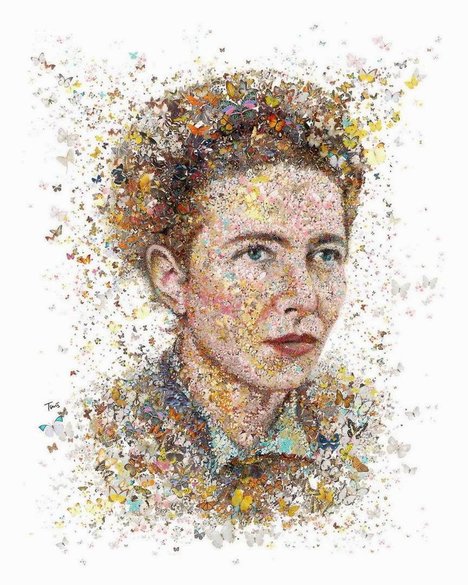
Simone De Beauvoir, by Charis Tsevis

In it, the main character, Jean, quotes Dostoyevsky:

“Each of us is responsible for everything and to every human being.”

Jean adds: “We’re all responsible. But ‘all’ means each of us. I’ve always felt that, even when I was a kid; my eyes are sufficient for this boulevard to exist…I see everything taking place, as if everything that happens, happens through me.”

And so, in classic existentialist form (always, already) he sums up the philosophical basis of our purpose on this planet. But Helene his clinging girlfriend wants more from him. She responds:

Read more

Can quitting artificial sweetener reverse autoimmune disease?

There are many, many, and many more causes of autoimmune disease. And then, too, there are none. Ultimately no one can really pin point a root cause. It’s truly a clusterf*ck.

There are factors, of course, that flare the condition. Like gluten, sugar and anxiety.

Image by Lissy Elle
Image by Lissy Elle

But one I haven’t really covered before is fake sugar. So, we’re talking saccharine (Sweet’N Low), sucralose (Splenda) or aspartame (Equal and NutraSweet). More people are consuming these chemicals, more people are getting AIs. And what do you know, there’s now some links connecting the two phenomena.

1. Aspartame is linked to immune disorders. Aspartame is converted to formaldehyde (an embalming fluid) in your body. Your liver can’t clear this toxin normally, so it remains lodged, activates inflammation and can lead to autoimmune issues and cancer growth.

2. Sucralose is linked to IBS, Crohn’s and ulcerative colitis… according to a study in the Canadian Journal of Gastroenterology. Sucralose has an inhibitory effect on beneficial gut bacteria, which, as we know is linked to AI (the microbiome makes up 80 per cent of our immune system). A report by the Journal of Toxicology and Environmental Health confirms this. It was shown to halve the good bacteria in the microbiome and raise gut pH levels.

Read more

This is what it looks like when dads get parental leave

Many moons ago I did a political internship at Parliament House. I wrote a paper for Lindsay Tanner, then Member for Melbourne, looking at the worth of paid paternal leave.

nailpolish
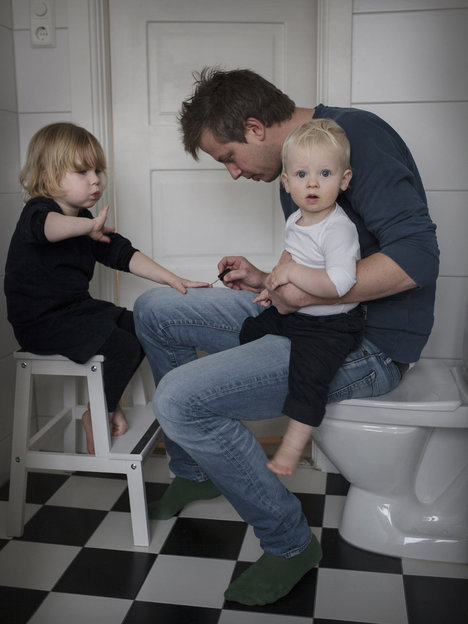
Martin Gagner: “I feel guilty about not having been at home with Matilda (4) as much as I am now with Valdemar (1). I worry that my relationship with her will be weaker in the future.”

It was all about comparing the Australian situation with Sweden where half of the very generous paid parental leave provisions must/can only be taken by the father. Today, 480 days of paid leave can be taken by either parent, of which 60 must be taken by the father or else the paid days are lost. So there is a clear disincentive for the father not to take the leave. Yet, still, only 12 per cent of Swedish dads take up the offer.

Read more

The best toxin-free cosmetics – my personal listicle

Yesterday, I shared how to choose the best toxin-free cosmetics. As promised, here’s my own safe beauty shopping list. It’s not a definitive list. And I recognise that nothing is ever fully toxin-free. As ever, it’s about doing what you can. As ever, it’s mostly about doing with less. Less is more. Less is more.

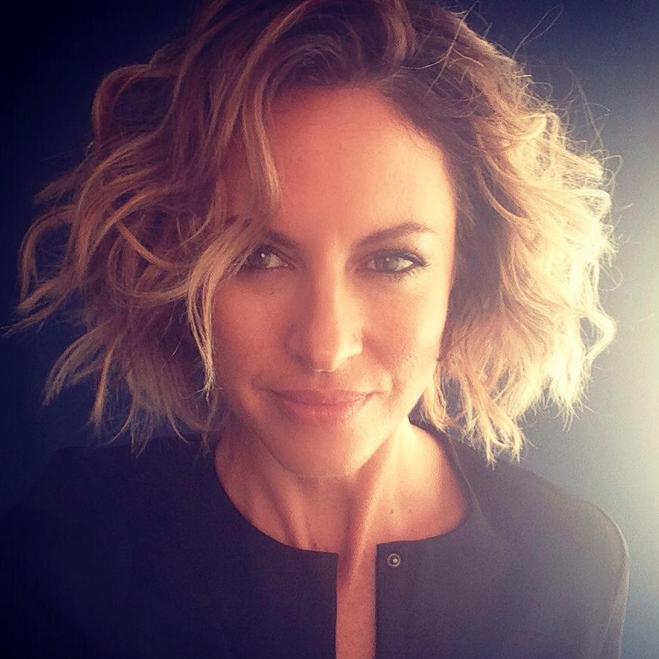
Me 'n' my made-up face
Me ‘n’ my made-up face and salty hair

Talking to experts over the years, we all agree: It’s not always feasible to go completely chemical-free; we can simply reduce the chemical load by making safer choices where we can.

Also be aware, I’ve not been paid to run this list. By anyone. The recommendations are genuine. In the past few days a few advertisers have asked to place ads on this site, however. Just so you know.

Hair products:

I have previously used Avalon Organics shampoo and conditioner (made in Australia), Vanessa Megan and currently use A Bit Hippy. It’s taken quite some time for my hair to adjust to the cleaner brands (and I’m yet to find one I truly love) and when I occasionally get stuck using a conventional shampoo it can take weeks for my hair to adjust again (the silicon build-up takes a number of washes for my more rustic shampoo to cut through…which gives you an indication of how loaded conventional shampoos and conditioners are). For hair styling products… I swear by the ocean. Salt water is my beauty secret. I haven’t really found a styling product that doesn’t make me feel sick when applied (of all the cosmetic products out there, hair sprays and lotions affect me the most). Fortunately, sea water is the best hair volumiser I’ve come across.

For covering my greys I use my Ere Perez mascara. See below. That said, I do get my hair coloured at a hair salon about 3-4 times a year. They try to use minimal chemicals…but I know it’s not ideal. As always, I choose my battles and until I can come up with a

Read more

How to choose the best toxin-free cosmetics

I’ve done several toxin-free cosmetics lists over the years, each with several updates…resulting in a bit of a jumble. So I’ve pulled them apart and rejigged them all with updated information.

Picture 5
Image via Pinterest

And before I go on… I really want to emphasise that making the switch to safer and cleaner shouldn’t be about buying more stuff. It’s about making a slow, gradual, informed switch as your current products run out.

I’ve spoken to a lot of people about how you and I can best act on the very real fears we have that our foundations and hair dyes and deodorants are not good for us. Here’s what I’ve come up with:

1. Use less stuff

Reduce the chemical load where you can. It takes some getting used to – wearing less makeup and less products – but it’s doable. It makes sense at all levels. I don’t wear foundation (where possible) any more. I wear a bit of powder, mascara and eyebrow pencil. No hair product. No nail polish. Less is more.

2. Read the labels and avoid these ingredients:

  • Sodium Lauryl Sulfate. This is a really good starting point. Anything with SLS… high-tail from it – it’s a common

    Read more

Is Sarah Wilson anti-vaccination?

The short answer is NO. So is the longer one.

Consider this An Open Letter to Journalists Who Find Themselves A Little Confused. I’ll do this little “cheat sheet” in bullets because, frankly, I don’t have the patience for pleasantries. And I figure I need to get to the point clearly. It seems many journalists are very confused.

xxx
Photograph by Sheena Jibson

1. I have never said I’m anti-vaccination. Dozens of journalists have claimed that I am, regurgitating each others’ incorrect stories. None have bothered to contact me for comment. Or bothered to Google the topic. If they did, they’d find this.

2. I am pro-vaccination. And have written as such.

3. This is something journalists need to know:

When journalists claim I’m anti-vax they are “creating” a poster girl for the movement.

This is incredibly irresponsible and gives power to the very movement they’re railing against.

4. I have had enough of being put up as that poster girl and will be taking action to have stories corrected when it does happen. I have requested the Herald Sun pull down their latest effort by Susie O’Brien (who also, curiously, refers to “raw milk-drinking vegans”). For instance.

5. Context is king. References to me voicing the anti-vax argument were made in the context of having being asked on Sunrise back in early 2013 to explain the reasons that parents from a wealthy suburb in Sydney were giving for not vaccinating their children. I explained what their reasoning was, drawing on the news link in question, as well as

Read more

Solastalgia, a new type of unease

My interest in words that sum up melancholia or human yearning (in a way that standard English just can’t) continues. A Twitter friend (Dr Daz) sent me this read about “solastalgia”, a word invented by (retired) Murdoch University professor of sustainability and environmental philosopher Glenn Albrecht.

xxx
At home outdoors

Solastalgia describes “the homesickness you have when you are still at home”.

By the late 1990s open-cut coal mining had drastically changed the landscape of the Upper Hunter region of NSW – for the worse. As a result, the people of the region were suffering from a form of chronic distress that saw their previously positive sense of place (“topophilia”) and love of their home and landscape, turn bad. Albrecht realised that there was no concept in the English language that adequately described this distressed state. And so he invented the term to describe the existential melancholia experienced with the negative transformation (desolation) of a loved home environment.

But it soon took off around the world as A Word that summed up succinctly A Thing we’re collectively feeling about the planet. That is, bad stuff is happening and we feel ill-at-ease about it.

Says Albrecht:

“One of the reasons for international interest in the concept of solastalgia is that we are in the middle of a pandemic of earth-related distress that will only get worse. Everything that was once familiar and trusted in our environment will be

Read more